
Dubai has rapidly grown into a global financial hub, attracting businesses and investors from around the world. But entering this market requires more than ambition—it demands a clear understanding of the regulatory framework governing financial services in Dubai. From licensing requirements to compliance obligations, navigating Dubai’s financial regulations can be complex. In this guide, we’ll take you through the essential rules, common pitfalls, and how expert partners can make the process smooth, helping you focus on growing your business with confidence.
Understanding the UAE’s Regulatory Framework for Financial Firms
Before diving into specific regulations, it’s important to understand the broader UAE financial landscape. Dubai, with its strategic location, business-friendly policies, and modern infrastructure, offers a highly attractive environment for financial firms. However, success requires adhering to strict regulatory standards designed to maintain market integrity, protect investors, and ensure operational stability.
Overview of the UAE Financial Services Landscape
The UAE hosts a dynamic mix of mainland and free-zone financial hubs, including the Dubai International Financial Centre (DIFC). The DIFC operates under a separate legal framework, providing a platform for banks, investment firms, and fintech companies. Firms in Dubai must understand whether they operate within the DIFC or on the mainland, as regulatory requirements differ. Complying with these frameworks protects your business from penalties and fosters long-term growth in Dubai’s competitive market (DFSA, 2023).
Key Regulatory Authorities in the UAE
Understanding who regulates what is critical for any financial firm.
| Regulatory Authority | Scope & Responsibilities |
| Dubai Financial Services Authority (DFSA) | Oversees firms operating in the DIFC, including banks, insurers, and investment companies. Issues licenses, supervises compliance, and enforces rules to protect investors. |
| Central Bank of the UAE (CBUAE) | Responsible for banking licenses, monetary policy, and oversight of mainland financial institutions. Firms outside free zones primarily report to the CBUAE. |
| Securities & Commodities Authority (SCA) | Regulates securities markets, investment funds, and public offerings, ensuring fair trading practices and investor protection. |
By knowing which authority governs your operations, you can avoid regulatory missteps and position your firm for success.
Why Regulatory Compliance Matters
Non-compliance in Dubai’s financial services sector can result in hefty fines, reputational damage, or operational restrictions. Beyond avoiding penalties, adherence to regulations builds credibility with investors, partners, and clients. Companies that prioritize compliance demonstrate integrity and a commitment to professional standards—a crucial factor in a highly regulated and competitive market (KPMG, 2022).
A Guide to financial services in Dubai Regulations You Must Know

Now that you understand the regulatory landscape, let’s explore the specific rules and obligations firms must follow to operate legally and efficiently in Dubai.
Licensing Requirements for Financial Firms
DIFC vs. Mainland Licensing
Firms in the DIFC operate under a unique legal framework, while mainland companies adhere to CBUAE rules. DIFC licenses typically offer flexibility for international operations but require meeting specific capital and compliance standards. Mainland licensing often involves stricter local partnership requirements and detailed reporting obligations.
Minimum Capital & Eligibility Criteria
Depending on the type of financial service—banking, investment advisory, or fintech—firms must meet minimum capital requirements and demonstrate professional competence. Compliance with these requirements ensures the business can operate sustainably and protects stakeholders from undue risk.
Core Compliance Obligations
Anti-Money Laundering (AML) & KYC
AML and Know Your Customer (KYC) regulations are central to Dubai’s financial system. Firms must implement processes to detect suspicious transactions and verify client identities. The DFSA AML Rulebook and UAE Federal AML Law mandate ongoing monitoring, reporting, and staff training to reduce financial crime (DFSA, 2023).
Risk Management & Reporting
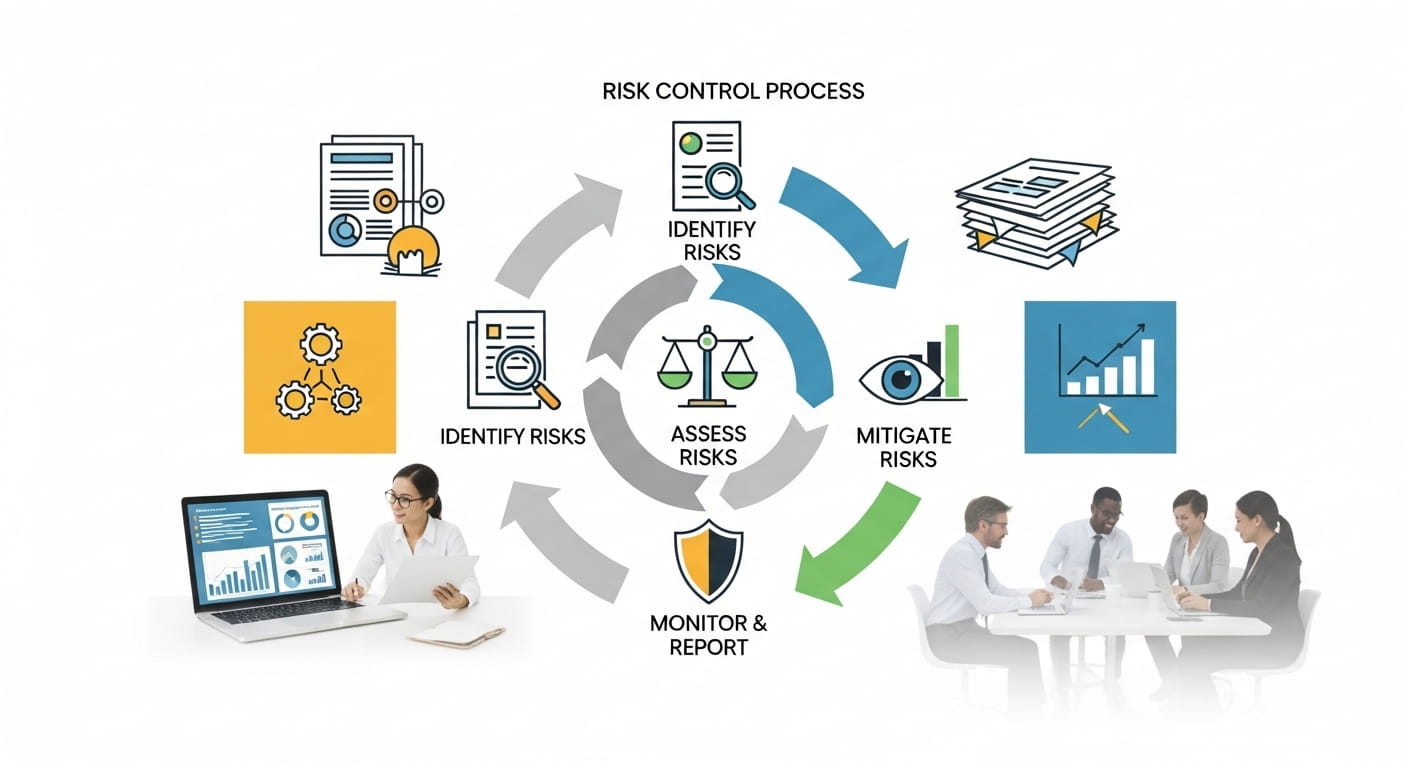
Financial firms are required to maintain internal risk frameworks and regularly submit reports to their regulator. These reports cover liquidity, operational risk, and exposure to market volatility, helping regulators and firms identify and mitigate potential threats.
Data Protection & Cybersecurity
With Dubai’s growing reliance on digital financial services, data privacy and cybersecurity have become non-negotiable. The DIFC Data Protection Law sets clear guidelines for handling customer data, emphasizing confidentiality, consent, and secure storage. Compliance not only avoids penalties but also reassures clients of the firm’s professionalism and reliability.
Common Pitfalls & Challenges
Even experienced firms encounter challenges when entering Dubai. Licensing delays, misunderstanding reporting obligations, and underestimating compliance costs are common issues. Firms relocating operations must also navigate cultural and procedural differences in regulatory practice. Planning ahead and engaging with regulatory experts can mitigate these risks, ensuring smoother operations and faster market entry (KPMG, 2022).
How Regulatory Compliance Partners Help Navigate financial services in Dubai Rules

Navigating Dubai’s regulatory landscape doesn’t have to be overwhelming. Partnering with an experienced compliance provider can save time, reduce risk, and give your firm the confidence to focus on growth.
Benefits of Partnering with Compliance Experts
Compliance partners provide tailored guidance, from licensing to ongoing regulatory reporting. They help firms understand local laws, implement AML/KYC programs, and maintain proper governance structures. By leveraging professional expertise, companies can avoid costly mistakes and stay ahead of regulatory changes.
How Expert Guidance Simplifies Licensing & Reporting
A compliance partner can assist with all licensing procedures, including documentation, regulator communication, and adherence to capital requirements. They also ensure your reporting obligations are met promptly, from monthly financial reports to risk assessments. This ongoing support minimizes operational disruption and keeps your firm fully compliant with UAE regulations.
Real-World Example
Consider a medium-sized investment advisory firm relocating to Dubai. With expert compliance support, the firm obtained its DIFC license in record time, implemented AML/KYC procedures, and established secure reporting processes. The result: a seamless transition, reduced regulatory risk, and stronger client confidence in the firm’s operations.
Call to Action
Ensure your financial services in Dubai operations are fully compliant. Schedule a consultation with our expert regulatory team today to navigate Dubai’s complex regulatory landscape with confidence. Partnering with MCompliance will give you peace of mind and a solid foundation for sustainable growth.
Conclusion
Dubai offers unmatched opportunities for financial firms, but success depends on navigating a rigorous regulatory environment. By understanding licensing requirements, core compliance obligations, and the roles of key regulators, firms can position themselves for long-term success. For businesses seeking expert guidance, partnering with regulatory compliance professionals ensures smooth operations, risk mitigation, and peace of mind—allowing you to focus on what matters most: growing your business in Dubai.
Frequently Asked Questions (FAQ)
Q1: What is the DIFC?
A: The DIFC is a financial free zone with its own legal and regulatory framework, regulated by the DFSA. Mainland firms follow CBUAE or SCA rules.
Q2: Why is AML/KYC important?
A: AML and KYC prevent financial crimes by verifying client identities, monitoring transactions, and reporting suspicious activity. Compliance avoids fines and builds trust.
Q3: What challenges do firms face in Dubai?
A: Common challenges include licensing delays, reporting errors, and compliance costs. Expert guidance helps ensure smooth setup and operations.
Q4: Which authority should my firm report to?
A: DIFC firms report to DFSA; mainland firms report to CBUAE or SCA. Knowing the correct authority ensures proper licensing and compliance.
Q5: How can a compliance partner help?
A: They guide licensing, AML/KYC, and reporting, reducing risk and saving time so your firm can focus on growth.