Embedding the Risk Management Process in FinTech & Banking Operations

An effective risk management process helps businesses identify, assess, and mitigate potential threats before they become costly problems. By integrating structured risk assessment, controls, and ongoing monitoring, organizations improve decision‑making and strengthen compliance in a changing regulatory environment.
Understanding the DIFC Data Protection Landscape and Why It Matters

The DIFC Data Protection Law No. 5 of 2020 ensures organizations in the Dubai International Financial Centre handle personal data securely and transparently, aligned with global standards like the GDPR.
The Impact of Weak Internal Controls on Business Reputation

Controlling risks is key to protecting your business from threats that can impact operations, compliance, and growth. This article explains practical risk control strategies that help organizations anticipate, mitigate, and respond to potential issues before they escalate.
Why Financial Crime Compliance Is More Critical Than Ever in 2025

Understanding KYC in banking is essential for preventing fraud and financial crime. This article explains how banks verify customer identities, assess risk, and meet regulatory requirements to protect both the institution and its clients.
The Role of KYC (Know Your Customer) in Modern Business

Learn the five essential steps to effective risk assessment that help businesses identify, evaluate, and prioritize risks. By following a structured approach, organizations can strengthen controls, improve decision‑making, and enhance overall resilience.
Which Businesses Are Affected by UAE Data Protection Regulations?
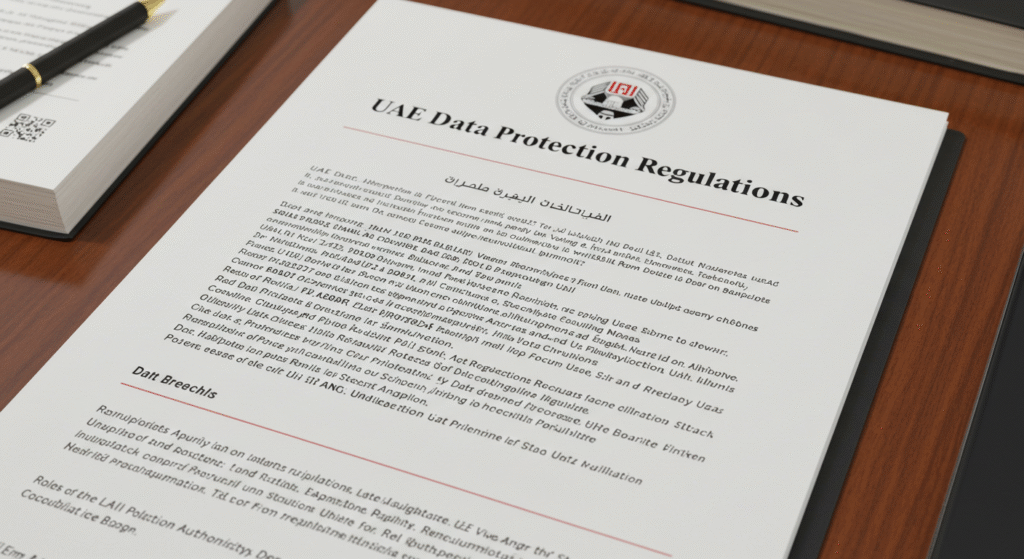
The UAE Data Protection Law (PDPL) sets federal standards for how organisations must collect, process, and protect personal data, helping businesses build trust, enhance security, and comply with global privacy expectations while avoiding risks and penalties.
Why Understanding What Is Compliance in AML/KYC Is Vital
In 2025, compliance goes beyond checking boxes — especially for AML and KYC in the UAE and MENA. It means adopting proactive systems, risk‑based frameworks, and smart technologies to keep up with evolving regulations, avoid severe penalties, and build trust with customers and regulators.
What is KYC and Why It Matters for Businesses in the UAE
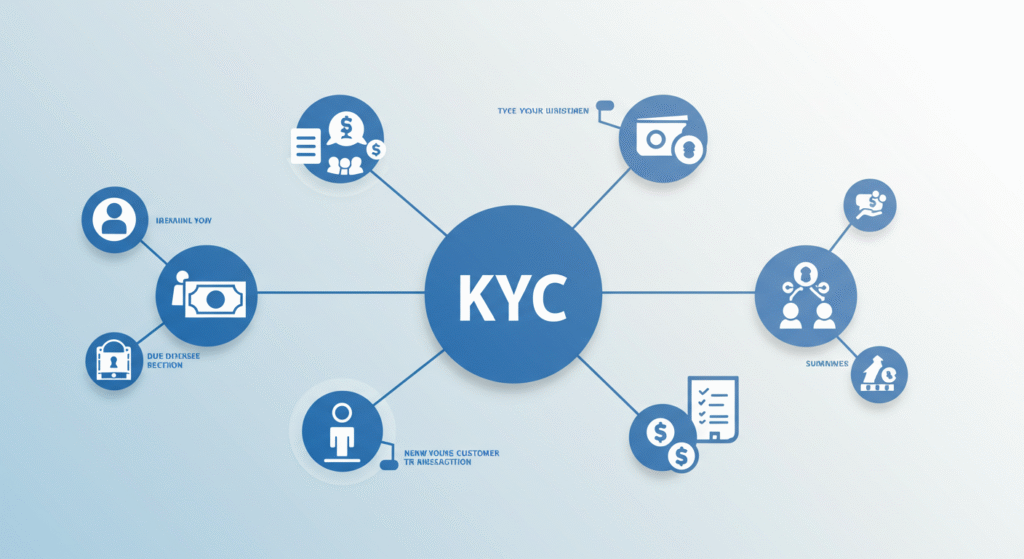
Understanding and collecting the right KYC documents is essential for UAE businesses to verify customer identity, meet AML/KYC regulatory requirements, and reduce compliance risks. This guide explains the key documents needed for individuals and corporates and best practices for managing them effectively.
Understanding KYC & AML: Risk Assessment Steps That Safeguard Your Business

Effective risk assessment helps businesses identify, evaluate, and manage threats before they impact operations or compliance. This article breaks down clear, practical steps your organization can follow to strengthen controls and make better risk‑based decisions.
Guide to UAE Financial Crime Regulations

The UAE is a global hub for finance, trade, and innovation. That growth brings attention—and risk. Financial crime is getting smarter, faster, and more complex. To protect customers and markets, the UAE has set clear rules for anti-money laundering (AML) and countering the financing of terrorism (CFT). If you operate here, knowing these rules is not optional. It is the base of trust for your business, your partners, and your regulators (United Arab Emirates, 2018; Dubai Financial Services Authority, 2023).