

In today’s digital world, protecting personal information isn’t just good practice—it’s the law. Businesses across all industries in the UAE must understand and comply with the Data Protection Act (DPA) to safeguard sensitive data, maintain customer trust, and avoid costly penalties. Whether you’re a small enterprise or a multinational corporation, understanding the requirements of the DPA is crucial for operational success and regulatory alignment.
This guide walks you through the essentials: from what the Data Protection Act is and why it matters, to practical compliance strategies, and finally, how professional services can help you meet obligations efficiently.
What Is the Data Protection Act and Why It Matters for Every Business

The Data Protection Act is a legislative framework designed to protect personal data collected, stored, or processed by organizations. Its primary goal is to ensure that individuals’ data is handled lawfully, transparently, and securely.
Core Principles of the Data Protection Act
The DPA is built on several key principles that every business should follow:
| Principle | Description |
| Lawfulness, Fairness, and Transparency | Organizations must process personal data fairly and for legitimate purposes. |
| Purpose Limitation | Data should only be used for specific, clearly defined purposes. |
| Data Minimization | Only collect data that is necessary. |
| Accuracy | Keep personal data accurate and up-to-date. |
| Storage Limitation | Retain data only as long as necessary. |
| Integrity and Confidentiality | Protect data from breaches and unauthorized access. |
These principles form the foundation for responsible data management and are critical to maintaining customer trust.
Risks of Non-Compliance for Businesses
Non-compliance with the DPA can lead to severe consequences, including hefty fines, legal action, and reputational damage. In the UAE, regulatory authorities actively monitor compliance, and organizations found in violation may face significant penalties (KPMG, 2023). Beyond financial risk, data breaches can erode customer confidence, causing long-term harm to your business.
Who Needs to Comply?
All organizations that handle personal data—regardless of size or industry—must comply with the DPA. This includes financial institutions, healthcare providers, educational institutions, e-commerce platforms, and service-based businesses. Compliance is not optional; it is a legal obligation that protects both individuals and organizations.
Data Protection Act: A Complete Guide to Compliance Requirements for Organizations
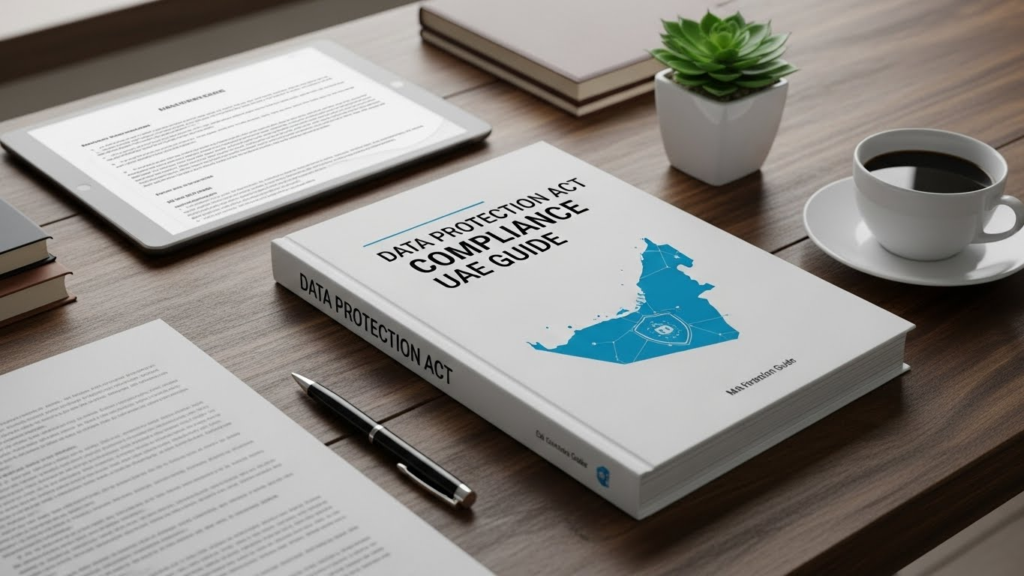
Once you understand why the Data Protection Act matters, the next step is knowing how to comply effectively. Compliance isn’t just about ticking boxes—it’s about creating a sustainable framework to protect data while supporting business operations.
Conducting a Data Protection Audit
A critical first step is conducting a thorough data protection audit. This involves:
- Mapping all personal data flows within your organization
- Identifying areas of potential risk or non-compliance
- Evaluating existing policies, procedures, and technical controls
An audit helps uncover gaps and sets the stage for actionable compliance measures.
Policies and Procedures for Compliance
Developing clear policies is essential. These include:
- Data handling protocols – How data is collected, processed, and stored
- Retention schedules – Defining how long data is kept before secure disposal
- Privacy notices – Informing individuals how their data is used
- Incident response plans – Steps to manage data breaches efficiently
Clear documentation not only ensures compliance but also demonstrates accountability to regulators and clients.
Employee Training and Awareness Programs
Human error is one of the leading causes of data breaches. Comprehensive training programs ensure that staff understand their responsibilities under the DPA. These programs can include workshops, e-learning modules, and regular refresher sessions to maintain high awareness levels.
Technology and Tools for Compliance
Modern technology can simplify compliance. Tools for data protection management, automated monitoring, and reporting help organisations manage repetitive tasks, flag compliance gaps, and maintain accurate records. By providing structured oversight and real‑time insights, these systems support more consistent adherence to regulatory requirements and reduce human error — while still requiring experienced oversight to interpret results and apply context‑specific decisions (Deloitte, 2024; industry automation research, 2025).
By combining audits, robust policies, training, and technology, organizations can build a comprehensive compliance program that meets DPA standards while minimizing operational disruptions.
Data Protection Act Compliance Services — How MCompliance Can Help Your Business

Navigating the complexities of the Data Protection Act can be challenging. That’s where MCompliance comes in. With years of experience in regulatory compliance services in the UAE, we provide tailored solutions that help organizations meet their data protection obligations efficiently and confidently.
Why Choose MCompliance for Data Protection Act Compliance?
Our team combines deep local knowledge with global best practices. We offer:
| Service | Description |
| Expert Consulting | Guidance on regulations and compliance frameworks. |
| Compliance Audits | Identify risks and create actionable solutions. |
| Policy Development | Craft procedures aligned with legal requirements. |
| Staff Training | Educate employees on DPA responsibilities. |
| Ongoing Monitoring | Managed services to ensure continuous compliance. |
Our proven track record demonstrates our ability to reduce regulatory risk while safeguarding organizational reputation.
Tailored Solutions for Businesses of All Sizes
Whether you are an SME or a large enterprise, MCompliance designs solutions that scale with your needs. We understand sector-specific challenges in finance, healthcare, education, and e-commerce, ensuring that compliance measures are practical, effective, and aligned with business goals.
Next Steps: Start Your Compliance Journey Today
Protecting personal data isn’t just a legal requirement—it’s a strategic advantage. MCompliance helps businesses navigate the DPA seamlessly, minimizing risk while maximizing trust with customers and partners.
Contact our experts today to schedule a consultation and take the first step toward full Data Protection Act compliance. Let MCompliance guide your business safely through regulatory requirements, ensuring peace of mind and long-term operational success.
Frequently Asked Questions (FAQ)
Q1: What is the Data Protection Act (DPA) in the UAE?
The UAE currently regulates personal data protection under the Personal Data Protection Law (PDPL), which sets rules for collecting, storing, and processing personal information. It aims to protect individuals’ privacy and ensure organizations handle data responsibly.
Q2: Who must comply with the DPA/PDPL?
All organizations that process personal data in the UAE, including businesses of any size, educational institutions, healthcare providers, and e-commerce platforms, are required to comply with the law.
Q3: What are the penalties for non-compliance?
Non-compliance can result in financial penalties, administrative actions, and reputational damage. Fines can range from tens of thousands up to several million AED, depending on the severity of the violation.
Q4: How can technology help with DPA compliance?
Technology tools can automate monitoring, reporting, and risk detection, helping organizations reduce human error and maintain accurate records. However, human oversight remains essential to interpret results and make context-specific decisions.
Q5: How can MCompliance help my business with DPA compliance?
MCompliance offers expert consulting, compliance audits, policy development, staff training, and ongoing monitoring to ensure your organization meets PDPL requirements effectively and efficiently. Services are tailored for SMEs, large enterprises, and sector-specific needs.
For further details, please visit the links below:
- The Impact of Weak Internal Controls on Business Reputation
- How the UAE Data Protection Law Impacts Your Business Operations
- What is KYC and Why It Matters for Businesses in the UAE
- What Happens When Data Protection Fails? Top Risks and How to Protect Your Business
- Embedding the Risk Management Process in FinTech & Banking Operations